From Concept to Consumer: Behind the Scenes at Charter Link
Garment development has always required a balance between creativity and precision. Designers imagine the product, while technical teams bring it to life through patterns, materials, and construction. But for decades, the process connecting these stages has been slow, costly, and heavily dependent on physical sampling.
3D technology is changing that — and for brands working with Charterlink, it already has.
From Manual Process to Digital Workflow
Traditional development relies on multiple physical steps, from sketching and pattern making to fabric sourcing and sample production. A single first-round prototype typically takes around nine hours to produce. Each revision can restart that cycle entirely.
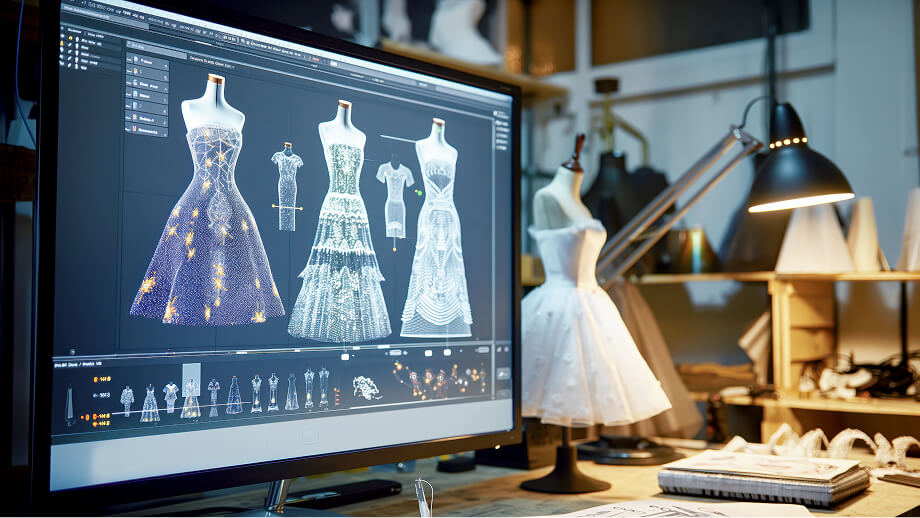
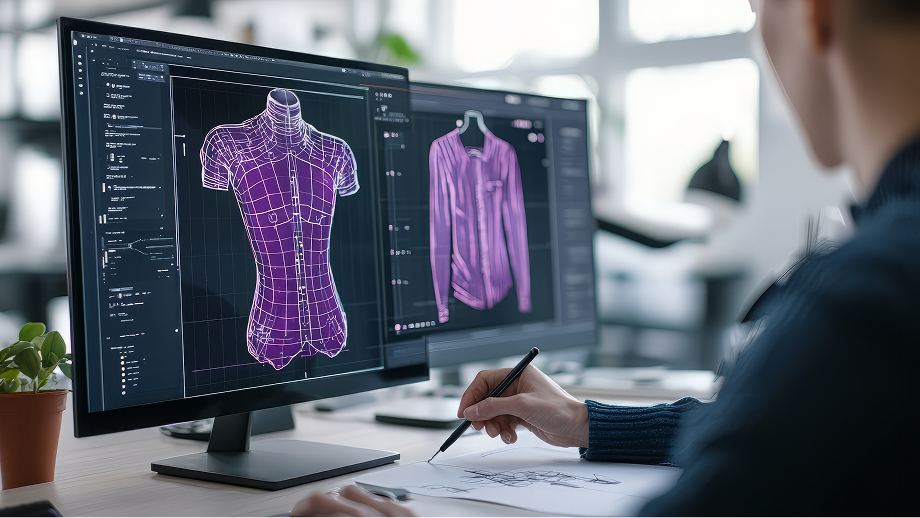
With 3D technology, much of this workflow moves into the digital space. Using platforms like CLO Virtual Fashion and Browzwear, patterns are created or imported digitally, while fabric properties — weight, stretch, drape — are simulated to behave like real materials. Garments are built, reviewed, and adjusted in a virtual environment before any physical sample is produced.
The result: a first-round prototype in approximately two hours. Four times faster, at a fraction of the cost.
Better Visibility, Earlier Decisions
One of the biggest advantages of 3D development is the ability to see and evaluate a garment early in the process.
Fit Map Fitting allows garments to be tested on realistic avatars, identifying fit issues and proportion imbalances before production begins. Grading Review lets size scaling be assessed across a full range in a single session — catching inconsistencies that would otherwise surface only during physical fittings.
Colourway Review and digital fabric simulation go further still, allowing teams to explore colour options, trims, and styling variations without producing multiple physical samples. What once required weeks of back-and-forth can now be achieved in a single digital session.
Reducing Cost and Complexity
By minimising reliance on physical samples, 3D technology reduces material waste, labour, and logistics costs. Digital samples can be shared instantly with stakeholders anywhere in the world, enabling faster feedback and eliminating delays caused by shipping and coordination.
This is especially valuable for brands managing large collections or working across global teams — where the traditional model of sending physical samples back and forth adds time and cost at every stage.
Beyond Apparel: Soft Goods and Accessories
The impact of 3D technology extends beyond garments. At Charterlink, the same digital workflow applies to bags, hats, and other soft goods — complex constructions that benefit from the same precision and speed as apparel development.
This creates a more consistent process across product categories, giving brands greater control and visibility from a single development environment.
The New Standard
3D technology does not replace the creativity or craftsmanship behind great products. It removes the friction that slows development down — enabling faster timelines, better decisions, and more confident iteration at every stage.
At Charterlink, 3D digital capabilities are fully integrated across our end-to-end service, from concept through to final delivery. Whether you are developing apparel, accessories, or soft goods, our team brings the precision of 3D technology to every project.